What Even Is Crabgrass?
Crabgrass is a weed. But it's not your typical dandelion — it's a weed grass, meaning it looks kind of like grass and grows right in the middle of your lawn where it's nearly impossible to pull out without taking good grass with it.
Here's the thing that makes crabgrass so frustrating: it starts fresh every single year. Unlike your lawn, which is made up of perennial grass that goes dormant in winter and comes back in spring, crabgrass is an annual. It lives for one season, grows aggressively, produces tens of thousands of seeds, then dies when the first hard frost hits in fall.
Those seeds it dropped? They're sitting in your soil right now, waiting for the ground to warm up enough to sprout. And next spring, the whole cycle starts over.
What Does Crabgrass Actually Look Like?
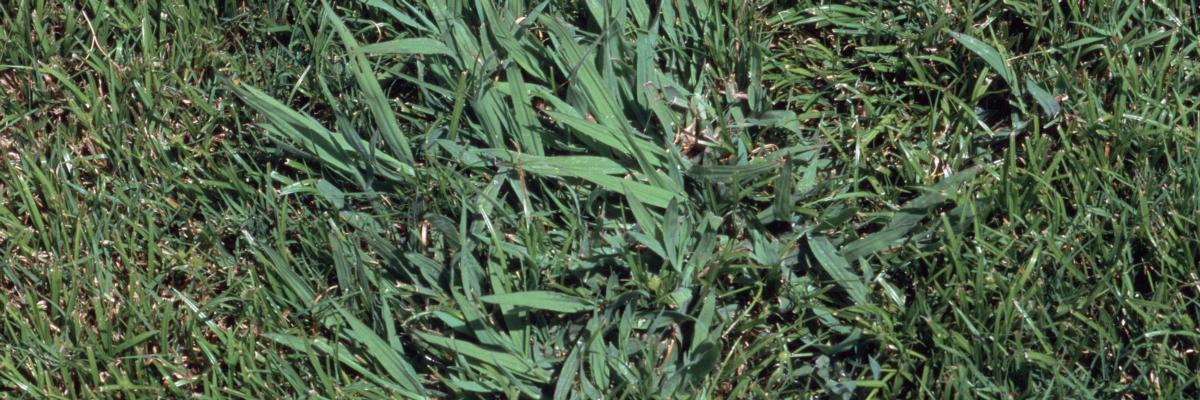
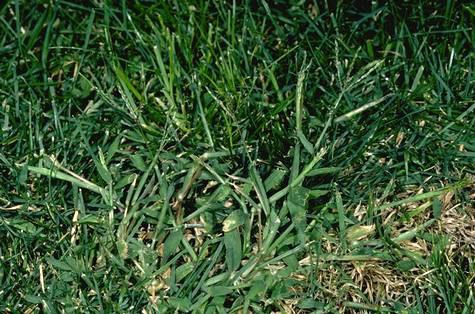
This is where most homeowners get confused. Crabgrass blades are wider and flatter than typical lawn grass, and the plant grows low and outward in a star or crab-like pattern — which is exactly where the name comes from. It tends to look lighter green than the surrounding lawn, and in late summer you'll see it send up finger-like seed stalks.
The best time to spot it is mid-summer when it's fully established and visibly different from the grass around it. By then it's too late to prevent — but at least you'll know what to look for and where to focus your pre-emergent the following spring.
Why Is It So Hard to Get Rid Of?
Once crabgrass has sprouted and is growing in your lawn, your options get ugly fast. You can pull it by hand — tedious, and you'll miss some. You can spray it with a post-emergent herbicide — works, but those products can stress or discolor your desirable grass too. Or you can just wait for fall when it dies on its own, knowing it left behind a fresh crop of seeds for next year.
None of those are great. That's why the smart play is to stop crabgrass before it ever germinates — and that's exactly what pre-emergent herbicide does.
Treating crabgrass after it sprouts is like trying to put out a fire that's already burning. Pre-emergent is the smoke detector — it stops the problem before it starts.
What Is Pre-Emergent Herbicide?
Pre-emergent herbicide is a product you apply to your lawn in early spring, before weed seeds sprout. It works by creating an invisible chemical barrier in the top layer of soil. When a crabgrass seed germinates and tries to push a root down into the soil, it hits that barrier and dies before it ever becomes a visible plant.
Notice what it does not do: it doesn't kill seeds sitting in the soil, and it doesn't kill plants that have already sprouted. It only works on seeds in the process of germinating. This is why timing is everything.
The most effective active ingredient in pre-emergent products for homeowners is called prodiamine — sold under brand names like Barricade. It's long-lasting, effective at low rates, and widely available. You'll also see products with dithiopyr (Dimension) or pendimethalin (Scotts Step 1), all of which work on the same principle.
The Window — Why Timing Is Everything
Crabgrass seeds don't sprout based on the date on a calendar. They sprout based on soil temperature. Specifically, crabgrass germinates when the soil temperature at about 2 inches deep consistently reaches 55°F.
Your job is to get pre-emergent down before that happens. The ideal window is when your 3-day average soil temperature is in the 50–55°F range and rising. That's your signal to act.
You have time — no action needed yet
Soil is too cold for crabgrass to even think about germinating. Keep monitoring but don't rush.
Get your product ready — window is approaching
Not quite time yet, but you're a week or two away. Buy your pre-emergent now so you're not scrambling when the window opens.
Apply now — this is the window
This is your moment. Apply pre-emergent as soon as your 3-day average soil temp is in this range and trending upward. Don't wait for a "perfect" day.
Too late for pre-emergent to be fully effective
Crabgrass has likely already started germinating. Pre-emergent won't stop plants that are already sprouting. Some products (like Dimension/dithiopyr) have a small window of post-emergent activity on very young crabgrass — but it's not reliable once temps are consistently above 55°F.
Many homeowners apply pre-emergent based on the date — "I always put it down around Easter" or "I do it on the first warm weekend." This is unreliable. Soil temperatures vary by several weeks year to year depending on winter severity and spring weather. The only way to know is to check actual soil temps for your ZIP code.
How Do I Know What My Soil Temperature Is?
You have two options. The old-school way is a soil thermometer — push it 2 inches into the ground in the morning and read the temperature. Cheap and accurate.
The easier way is to use the Neighbor's Envy soil temperature tool. Enter your ZIP code and it pulls real-time soil temperature data for your area — including 3-day and 7-day averages — and tells you whether you're in the window, approaching it, or past it.
Check your current soil temperature by ZIP code and get a go/no-go recommendation for pre-emergent application.
Check Soil Temp →Can I Apply Pre-Emergent Too Early?
Yes — and it matters. Pre-emergent herbicides break down over time in the soil. If you apply too early, the product may start losing effectiveness before crabgrass season peaks. Most products last 3–4 months depending on rainfall and soil conditions.
The sweet spot is the 50–55°F window. If your 7-day average is still below 45°F, you have time to wait. Applying in that range means your pre-emergent will still be active through the full crabgrass germination period, which typically extends into late spring and early summer.
Do I Need to Water It In?
Yes. Most pre-emergent herbicides — including prodiamine — need to be activated by water. Rain or irrigation moves the product off the grass blades and into the top layer of soil where it does its job. Aim for about ¼ to ½ inch of water within a day or two of application. Many homeowners time their application right before a forecasted rain for this reason.
If you apply and it doesn't rain for a week, the product is just sitting on your lawn doing nothing. Don't skip this step.
What If I Already Have Crabgrass?
If you're reading this in July and your lawn already has crabgrass growing in it, pre-emergent won't help you this season. Here's the honest truth about your options:
- Post-emergent herbicide — products like quinclorac or fenoxaprop can kill existing crabgrass plants, but results vary and some formulations can stress certain grass types. Read the label carefully for your grass type.
- Hand-pull it — works for small areas. Get it before it seeds. Wear gloves.
- Wait it out — crabgrass dies with the first hard frost. Focus on overseeding bare spots in fall to crowd it out next season, and nail your pre-emergent timing in spring.
Most lawn care pros will tell you: accept a bad crabgrass year, do your overseeding in fall to thicken the lawn, and come back hard with pre-emergent next spring. A thick, healthy lawn is itself one of the best crabgrass defenses — thin, bare patches are where crabgrass gets its foothold.
The Short Version
Crabgrass is an annual weed that reseeds itself every year. Pre-emergent herbicide stops it before it sprouts — but only if you apply it at the right soil temperature (50–55°F, 3-day average, trending up). Check your soil temp by ZIP code, apply when the window opens, water it in, and you'll have a crabgrass-free summer.
That's the whole playbook.